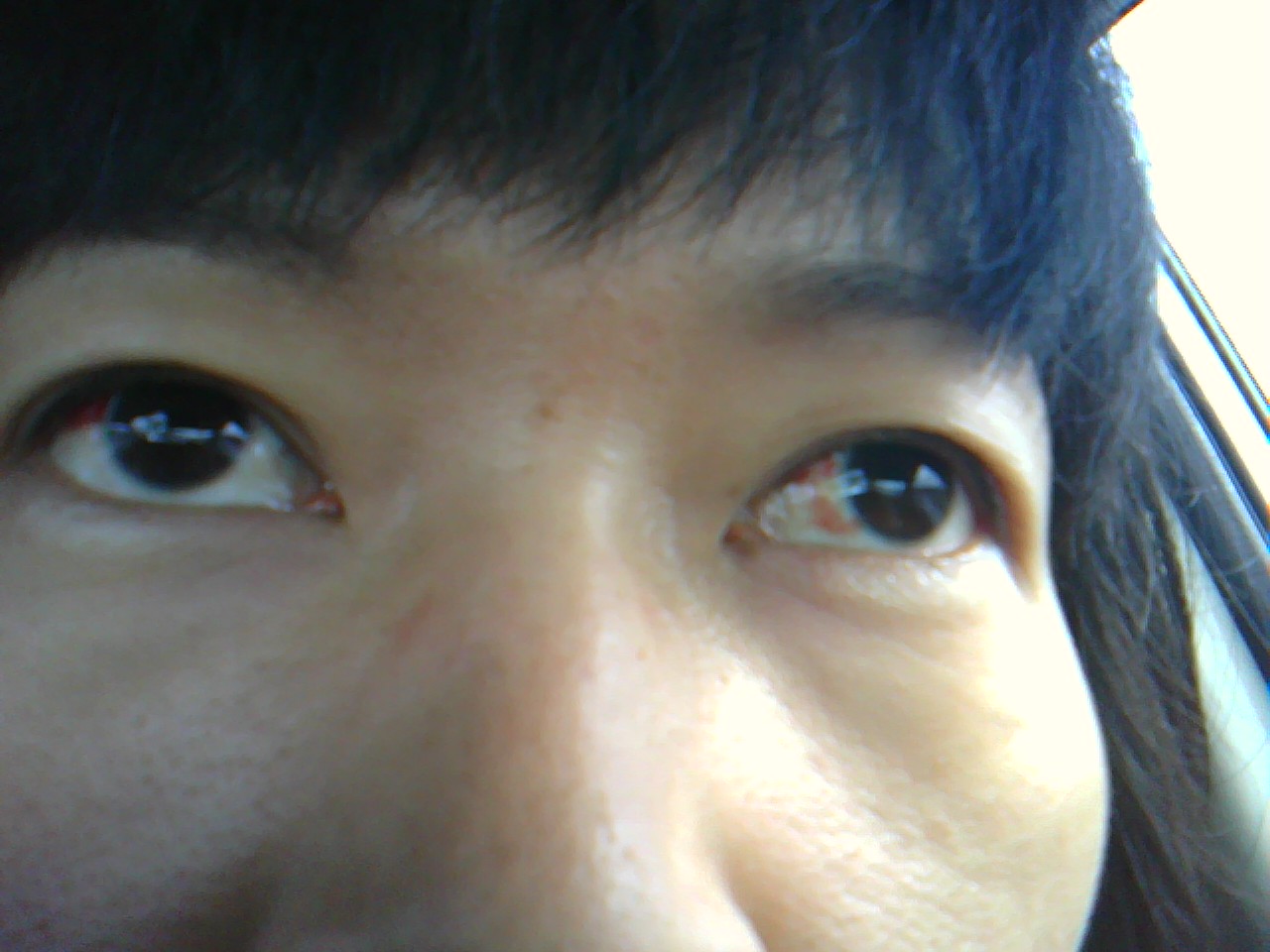
My name is Runi and I was diagnosed November 16, 2005 just a few weeks shy of my 29th birthday. I was repeatedly told that I was too young and too healthy to have breast cancer. Cancer is not prejudice to anyone regardless of age, race or socioeconomic. This is my story and I hope people learn a great deal from it. Feel free to contact me if you have questions or want to simply talk.
Sunday, May 19, 2013
Angelina's Medical Choice
Angie always knew how to make a splash and her announcement that she had the BRCA1 mutation and had a preventative bilateral mastectomy shocked the nation. Some deem her as a hero while others are outright bashing her. Her article is below and my two cents (if anyone cares to know it) follows.
My Medical Choice
By ANGELINA JOLIE
Published: May 14, 2013 1712
MY MOTHER fought cancer for almost a decade and died at 56. She held out long enough to meet the first of her grandchildren and to hold them in her arms. But my other children will never have the chance to know her and experience how loving and gracious she was.
We often speak of “Mommy’s mommy,” and I find myself trying to explain the illness that took her away from us. They have asked if the same could happen to me. I have always told them not to worry, but the truth is I carry a “faulty” gene, BRCA1, which sharply increases my risk of developing breast cancer and ovarian cancer.
My doctors estimated that I had an 87 percent risk of breast cancer and a 50 percent risk of ovarian cancer, although the risk is different in the case of each woman.
Only a fraction of breast cancers result from an inherited gene mutation. Those with a defect in BRCA1 have a 65 percent risk of getting it, on average.
Once I knew that this was my reality, I decided to be proactive and to minimize the risk as much I could. I made a decision to have a preventive double mastectomy. I started with the breasts, as my risk of breast cancer is higher than my risk of ovarian cancer, and the surgery is more complex.
On April 27, I finished the three months of medical procedures that the mastectomies involved. During that time I have been able to keep this private and to carry on with my work.
But I am writing about it now because I hope that other women can benefit from my experience. Cancer is still a word that strikes fear into people’s hearts, producing a deep sense of powerlessness. But today it is possible to find out through a blood test whether you are highly susceptible to breast and ovarian cancer, and then take action.
My own process began on Feb. 2 with a procedure known as a “nipple delay,” which rules out disease in the breast ducts behind the nipple and draws extra blood flow to the area. This causes some pain and a lot of bruising, but it increases the chance of saving the nipple.
Two weeks later I had the major surgery, where the breast tissue is removed and temporary fillers are put in place. The operation can take eight hours. You wake up with drain tubes and expanders in your breasts. It does feel like a scene out of a science-fiction film. But days after surgery you can be back to a normal life.
Nine weeks later, the final surgery is completed with the reconstruction of the breasts with an implant. There have been many advances in this procedure in the last few years, and the results can be beautiful.
I wanted to write this to tell other women that the decision to have a mastectomy was not easy. But it is one I am very happy that I made. My chances of developing breast cancer have dropped from 87 percent to under 5 percent. I can tell my children that they don’t need to fear they will lose me to breast cancer.
It is reassuring that they see nothing that makes them uncomfortable. They can see my small scars and that’s it. Everything else is just Mommy, the same as she always was. And they know that I love them and will do anything to be with them as long as I can. On a personal note, I do not feel any less of a woman. I feel empowered that I made a strong choice that in no way diminishes my femininity.
I am fortunate to have a partner, Brad Pitt, who is so loving and supportive. So to anyone who has a wife or girlfriend going through this, know that you are a very important part of the transition. Brad was at the Pink Lotus Breast Center, where I was treated, for every minute of the surgeries. We managed to find moments to laugh together. We knew this was the right thing to do for our family and that it would bring us closer. And it has.
For any woman reading this, I hope it helps you to know you have options. I want to encourage every woman, especially if you have a family history of breast or ovarian cancer, to seek out the information and medical experts who can help you through this aspect of your life, and to make your own informed choices.
I acknowledge that there are many wonderful holistic doctors working on alternatives to surgery. My own regimen will be posted in due course on the Web site of the Pink Lotus Breast Center. I hope that this will be helpful to other women.
Breast cancer alone kills some 458,000 people each year, according to the World Health Organization, mainly in low- and middle-income countries. It has got to be a priority to ensure that more women can access gene testing and lifesaving preventive treatment, whatever their means and background, wherever they live. The cost of testing for BRCA1 and BRCA2, at more than $3,000 in the United States, remains an obstacle for many women.
I choose not to keep my story private because there are many women who do not know that they might be living under the shadow of cancer. It is my hope that they, too, will be able to get gene tested, and that if they have a high risk they, too, will know that they have strong options.
Life comes with many challenges. The ones that should not scare us are the ones we can take on and take control of.
Angelina Jolie is an actress and director.
Runi's two cents: I never really cared for her because she was an adulterous and just overall too complicated and controversial however you couldn't deny her humanitarian work. Anyway, aside from all that I'm focusing on her article. I applaud her. Why?
I applaud her because she's a famous actress and director and most importantly she's known for her amazing body and is a sex symbol. Her story alone educated hundreds and thousands and most likely millions of people about the BRCA mutation. I also don't feel as if her sexiness or hotness scale will decline either. However, there's much more besides the hotness factor. Many women that either have mastectomy because of the mutation or from breast cancer can have challenges accepting their bodies, almost feeling mutilated. Her coming out about this may help women and potentially spouses accept a woman's beauty, even if their breasts are not real. The American culture is so fixated with beauty and looks that it's hard for a women to feel beautiful or whole sometimes, especially if they are bald, breastless and overweight from treatment. (Obviously some women choose not to have reconstruction and hopefully they will find themselves beautiful too. But this article is about reconstruction so that is my angle here.) Applaud number 1.
Right now there is a patent on the BRCA mutation therefore tests are more expensive and may more many not be covered by insurance. We also know that research is limited because only Myraid can do further testing. The case at the supreme court is epic. Jolie mentions that the test may not be affordable for all and that is a problem. Applaud number 2.
She actually carries the BRCA mutation and I feel as if that is a very personal decision (just like having a mastectomy vs a lumpectomy for those that can choose.) Yes, some of those that have BRCA mutation will never get breast or ovarian cancer. I get that BUT when your chances of developing it is over 50% it is like flipping a coin. I think it is hardest when someone has seen a loved one or loved ones go through a diagnoses, treatment and possibly death from cancer. I had breast cancer at a young age. First time around I choose a single mastectomy. Paranoia and then an inconclusive BRCA1 conclusion made it an easy decision for me to have the other side removed. It's my body and it's my decision. Yes, I understand that there are always risks of complications with surgery and that there are future surgeries because of my implants. However, it's MY body and I know how my crazy worry wart brain works. I've also been through chemotherapy and that wasn't fun either. I rather not have to go through that again. It's her body so it's her choice. Applaud number 3.
Finally she just educated people about the BRCA mutation. People can do what they may with that information. I hope they choose to get genetic counseling before getting the test but I've always been big on knowledge is power. Those with high family history of breast and ovarian cancer can start of have conversations about this, possibly save lives. If not awareness is key. Applaud number 4.
Now, I've heard many criticisms. I don't think an average healthy person with no family history should get tested or have preventive surgery. Remember, she actually carries the mutation. One criticism that I heard from a doctor is that her biological children will have that 50% of having it looming over their heads. I told that doctor that she has enough money that she may have done gene selection in vitro. We'll just never know unless Jolie tells us. Some are saying she needs to have oopherectomy sooner than later. Again, I feel this is a personal decision. She's 37 and still young. Ummm...I'm 36 and choosing to keep my ovaries. Menopause comes with other issues too. We know our risks.
So for whatever is it worth, my two cents.
Tuesday, May 14, 2013
The case of the missing blog: Media craziness because of the case
It's been along time since I've blogged. I pulled my blog because the weeks leading up to oral arguments were crazy with media and interviews. I am pretty much an open book about my cancer life to help others but I'm still not sure how much I trust reporters. Some of them have been great but some have been more difficult to work with. I did several interviews. Below is one of the ones I did for USA Today.
Most likely this won't go live until AFTER the Supreme Court makes a ruling since I've made this blog by invitation only. Since I haven't invited anyone no one will be reading this. I have so much to post. Since my last one I've had my appointment with Dr. H and went on my Bucket List vacation of Italy.
Can human genes be patented?
Richard Wolf, USA TODAY4:29 p.m. EDT April 10, 2013
Runi Limary got the shocking news when she was just 28: breast cancer.
Her first decision was simple. She had her right breast removed. Two years later, after receiving an inconclusive test result for a gene mutation that greatly increases the likelihood of breast and ovarian cancer, she had her left breast removed.
Limary's third decision has proved harder. Though she wanted a second, independent opinion before taking the preventive measure of having her ovaries removed, she didn't have that option because one company, Myriad Genetics, holds patents on isolated forms of the two genes in question.
Now 36 and single, Limary doesn't want to foreclose childbirth by having her ovaries removed. But her child-bearing clock may not be the only one ticking.
"It's so frustrating," says Limary, whose Asian-American lineage makes her more susceptible to the "genetic variant of uncertain significance," the muddled test result she received. "I'm really trying to buy time until I'm about 40."
At the root of Limary's dilemma is a question that will come before the Supreme Court on Monday: Can human genes be patented?
The answer could have sweeping significance for scientific research and medical treatments in a broad array of fields, from agriculture and animal health to biotechnology and the environment. Myriad Genetics and a broad array of industry trade groups argue that without patent protection, research and development would dry up. Doctors, geneticists, women's health groups and cancer patients contend competition would lower prices, improve outcomes and lead to more discoveries.
Both sides envision the same future: a world in which the type and timing of preventive screenings and prescription drugs are tailored to each individual, rather than relying on generic guidelines. "It's about the future of personalized medicine for every single human being on this planet, and actually animals, too," says Ellen Matloff, director of cancer genetic counseling at Yale School of Medicine.
Limary and Matloff are among the original plaintiffs in a legal tussle that has been fought for four years, with mixed results. A federal district court in New York sided with the challengers. A divided court of appeals that handles patent cases sided with the company.
Prior rulings have made clear that "laws of nature, natural phenomena and abstract ideas" are not patentable. "Einstein could not patent his celebrated law that E = mc²; nor could Newton have patented the law of gravity," Justice Stephen Breyer wrote, quoting from a 1980 decision by Chief Justice Warren Burger.
But since 1984, the U.S. Patent and Trademark Office has granted more than 40,000 patents tied to genetic material — including Myriad's patents on the extraction and isolation of the BRCA1 and BRCA2 genes. Armed with those patents since the late 1990s, the company has tested more than 1 million women for mutations that often lead to breast and ovarian cancer.
The legal, medical and moral questions boil down to this: What did Myriad do to earn its exclusive patents? The company's brief to the court cites its "human ingenuity" in isolating the gene. A coalition of doctors, researchers, geneticists, patients and others says under that theory, "leaves isolated from trees would be patentable."
Neal Katyal, the former acting U.S. solicitor general who argued against the patent at the appeals court level, flatly calls it "the most interesting case I've ever worked on, by far."
'ANYTHING UNDER THE SUN'
The Patent Act of 1952 declared that patents could be issued for "anything under the sun that is made by man" — a phrase Myriad cites in its brief. More than 30 years later, the first gene patents were issued.
In 1990, geneticist Mary-Claire King discovered an abnormality on chromosome 17 that proved to be the breast cancer gene, leading to its isolation by Myriad scientists and the awarding of patents later in the decade. As a result, most women who want testing must pay its price — $3,340 for the breast cancer analysis and $700 for an additional test, called BART, which picks up a genetic link in about 10% of women who test negative the first time.
In 2001, the Patent and Trademark Office ruled that isolated DNA was patentable. By some estimates, 20% of human genes have been patented. In 2009, the American Civil Liberties Union filed its lawsuit.
The company claimed to have created a chemical composition that advises patients of their cancer risks. "They were never available to the world until Myriad's scientists applied their inventive faculties to a previously undistinguished mass of genetic matter in order to identify, define and create the isolated DNA molecules," the company's brief says.
Myriad's defense of its patents has attracted more than twice as many supportive briefs as those challenging the patents have attracted. They come from drugmakers, intellectual property owners, venture capitalists and groups involved in biotechnology, agriculture and animal health.
The Biotechnology Industry Organization, a trade group, says isolated DNA molecules are used for vaccines, food safety, agriculture, industry and environmental work.
To change patent law "would make the United States the only developed country to take such a restrictive view of patent eligibility," thereby deterring research and development, it says in its brief. That would result in "potentially grave consequences for America's global economic and scientific leadership in biotechnology."
RESEARCHERS CRY 'DIRTY POOL'
Matloff has battled Myriad since 1998, when the patents stopped many of her patients from getting the tests they needed. Other genes had been patented, she said, but most of those patents were not enforced rigidly. "No one before has played dirty pool the way Myriad has played dirty pool here," she says.
Myriad's president, Mark Capone, says the company doesn't hinder outside research; he notes that about 18,000 scientists have published more than 10,000 papers on the subject. But after spending 17 years and $500 million on research and development, he says, Myriad is a worthy sole provider of the tests.
Harry Ostrer, a medical geneticist at Albert Einstein College of Medicine, located at Yeshiva University in New York, focuses his research on people who do not have the gene mutations but have a genetic predisposition for breast cancer. He says many women are told they have only a low risk, when in fact it's greater.
"There may be under-reporting with regard to risks," says Ostrer, whose 1988 letter from Myriad demanding royalty payments has left him as the lone original plaintiff with legal standing in the case. "There may be a catastrophe in the making."
Myriad officials maintain that in Europe, where U.S. patent law does not apply, competition hasn't improved outcomes. Dozens of laboratories conduct breast cancer screening tests, patients are tested only after developing cancer, results take longer, a higher percentage are inconclusive — and costs are roughly the same, the company says.
By acting as the sole provider of the tests, Capone says, Myriad achieves economies of scale that competition would erode. "We consider this a DNA factory and not a DNA laboratory," he says of the company's Salt Lake City facility.
Millions of women do not get the tests for a number of reasons — high costs, no health insurance or simply not knowing their options. A brief submitted by breast cancer and women's groups cites a "disproportionately harmful effect on those who are socioeconomically disadvantaged and underserved or are of particular racial and ethnic backgrounds."
Debra Greenfield of the UCLA Institute for Society and Genetics, the lawyer representing the women's groups, says African-American women are 78% less likely to use genetic testing — and more likely to die from breast or ovarian cancer.
"The price of the test is necessarily prohibitive," she says. "Anytime there's a monopoly, there's going to be higher prices."
Myriad says about 95% of its patients receive insurance coverage, often without co-payments, so most patients pay only about $100. Even so, about 6 million women with family histories of breast or ovarian cancer remain untested.
"We have still barely scratched the surface," Capone says.
TOUGH DIAGNOSES AND DECISIONS
Kathleen Maxian's sister was diagnosed with breast cancer at the age of 40 in 2007. She tested negative for the BRCA1 and BRCA2 gene mutations, which was a relief for Maxian, then 45.
Two years later, Maxian, a resident of Pendleton, N.Y., near Buffalo, was diagnosed with advanced-stage ovarian cancer. When she said it couldn't possibly be genetic because her sister had undergone testing, her doctor looked down, then asked for a copy of the report. "She knew something was wrong," Maxian says.
As was typical at the time, the separate $700 BART test not covered by insurance companies had not been ordered. Since Maxian's sister was the first in her immediate family to get cancer, she did not meet the criteria for the additional test. When she finally got the test, it came back positive.
Maxian, who in 2009 was given a 20% chance of living five years, says having that information in 2007 would have led her to have her ovaries removed before developing cancer or when it was at a much earlier stage. Married late in life and with no plans to have children, she says, "it would have been an absolute no-brainer." Instead, she has had three recurrences requiring chemotherapy and is living with the original prognosis, hoping to beat the odds.
Like many other women and researchers, Maxian gives Myriad credit for developing the genetic test in the first place — she just doesn't think it deserves a patent that prevents competition.
"Lives have been saved because of this," she says. But "I think that there are a lot of women who, had they had this testing, would have found out that they could have prevented their ovarian cancer."
Genae Girard is on the other end of the spectrum. Diagnosed with breast cancer in 2006 at age 36, she tested positive for the gene mutation, making her five times more likely to get a recurrence or develop ovarian cancer.
It would have been nice to get a second opinion, Girard says — but the patent made that impossible. So she had her breasts and ovaries removed, denying her the chance to give birth.
Capone says women can get "confirmatory testing" at other labs but are unlikely to get a more accurate result. For all the complaints about cost and competition, Myriad isn't often accused of inaccuracy.
"This was my last chance of having kids," says Girard, like Limary an original plaintiff in the case. The pair are among about 200 women 45 and under in the Austin area who have dubbed themselves the "Pink Ribbon Cowgirls."
"I had to make a decision," Girard says. "Do I cut short my life, or do I try to extend my life?"
Sunday, March 17, 2013
Survivorship Questions & Case Update
I see Dr. H tomorrow. This survivorship thing can be tricky at times, especially when I hope to have a long life to live. My big talk with her will be Tamoxifen and long term surveillance. Regardless, she gave me her blessing to wait until I was done with my birthing years so maybe we'll find out even more about long term use of Tamoxifen, especially for younger women. I still see her every six months. I hope she doesn't extend me to a yearly office visit. Can you say umbilical cord?
I realized I never posted a photo of the boys and my niece from Christmas. This was my first Christmas in Austin, TX and it was Austin winter weather until the cold front came through. This holiday was different in so many ways. A little bit of family drama that only made people closer, thankfully. I didn't get to see the boys as much as I usually would since they did not stay with me. Regardless, I value each moment I see them! Hana is also getting bigger and celebrated her first Christmas. December 2012
This was me in Hot Springs in early March. As you can tell Hot Springs was not so hot! It was freezing! The hot springs are supposed to have healing agents. I'm uncertain how much of it was true but I did go for a bath and it felt amazing. Of course it could also have felt amazing because the high was in the 40's and lows in the 20's!
April 15th 10 am will be oral arguments before the Supreme Court! I won't be there it is open to the public for those that live in the DC area. Remember: fingers, toes and DNA crossed that they rule in favor of us because gene patents hinder research! People could possibly make more educated decisions regarding their health/lives! Testing would be more affordable. I can't think about this too much. I get so nervous.
Monday, February 18, 2013
More Thoughts on Tamoxifen for 10 years
So I emailed Dr. Litton's nurse. This is what she said, "Per Dr. Litton: The ATLAS study and the group of women who participated does not apply to your situation and I am not recommending further tamoxifen at this time." I received this 1/10/13 at 4:27pm. I responded with questions concerning the study group but never got a response.
I researched online and discovered that roughly 12,000 people were in the study. 6,000 took Tamoxifen for 5 years and the other 6,000 took it for 10 years. Roughly 20% were diagnosed at 45 and younger so about 1,200 women per study group. What I haven't been about to find out is everything else. How highly estrogen were they? How compliant were they? Did they exercise? Did they eat clean? Did they have chemo? Were any node positive?
I have a lot more questions but will see Dr. H soon. The biggest thing I can try to control is my weight, alcohol and sugar consumption. To be continued.
I researched online and discovered that roughly 12,000 people were in the study. 6,000 took Tamoxifen for 5 years and the other 6,000 took it for 10 years. Roughly 20% were diagnosed at 45 and younger so about 1,200 women per study group. What I haven't been about to find out is everything else. How highly estrogen were they? How compliant were they? Did they exercise? Did they eat clean? Did they have chemo? Were any node positive?
I have a lot more questions but will see Dr. H soon. The biggest thing I can try to control is my weight, alcohol and sugar consumption. To be continued.
Friday, January 4, 2013
Tamoxifen we may meet again?
I've been dreading this post. Basically ATLAS trial showed that 10 years of Tamoxifen offers more benefit than 5 years. This came out at the San Antonio Breast Cancer Symposium in December. To review, those who are estrogen receptor positive basically means estrogen feeds our cancer and that is why we take hormone inhibitor pills like Tamoxifen, especially if you're premenapausal. Dr. H already wanted me to be on it for 10 years. The visit with Dr. Litton was in September and she was fine with me being on it for just 5 years. I think I will need to email Dr. Litton. Also this Medscape article interviewed Dr. Ravdin who came up with Adjuvant! He apparently would recommend 10 years for those grade higher than 1 and node positive. I'm node negative but grade 2 intermediate grade....grrrrr...so I may still see Tamoxifen once again. If so, I don't think I want to do it until I completely know I am not going to have a child. Even with Tamoxifen it comes with a price of quality of life. For me I think the major culprit was sleep. I see Dr. H again this summer and hoping to email Dr. Litton within the next week or so.
"The results of ATLAS are most relevant for younger women," said Peter Ravdin, MD, who moderated the press conference. Dr. Ravdin is codirector of the SABCS and director of the Comprehensive Breast Health Clinic at the University of Texas Health Science Center at San Antonio.
Dr. Ravdin plans on telling his premenopausal patients with ER-positive disease that 10 years of tamoxifen has benefit over the standard of 5 years. "I am going to be comfortable doing that," he said. The risk for endometrial cancer with tamoxifen is "very low" in these younger women, he added. "I think this trial will have a major immediate impact on premenopausal women."
However, tamoxifen beyond 5 years is not for every premenopausal woman.
He explained that he would lean toward recommending it to women who are at high risk for late relapse (those with positive nodes and/or bigger tumors). Women with small grade 1 cancers are not good candidates because their risk for recurrence is so low. Taking tamoxifen comes with quality-of-life issues, such as hot flashes and other effects, he reminded reporters. Many women already struggle to complete 5 years of tamoxifen because of the adverse effects, so taking the drug for 10 years will present challenges.
The study was funded by Cancer Research UK, the UK Medical Research Council, AstraZeneca, the United States Army, and EU Biomed. Dr. Gray and coauthors Dr. Ravdin, Dr. Barlow, and Dr. Powles have disclosed no relevant financial relationships.
Lancet. Published online December 5, 2012. Abstract, Comment
35th Annual San Antonio Breast Cancer Symposium (SABCS): Abstract S1-2. Presented December 5, 2012
"The results of ATLAS are most relevant for younger women," said Peter Ravdin, MD, who moderated the press conference. Dr. Ravdin is codirector of the SABCS and director of the Comprehensive Breast Health Clinic at the University of Texas Health Science Center at San Antonio.
Dr. Ravdin plans on telling his premenopausal patients with ER-positive disease that 10 years of tamoxifen has benefit over the standard of 5 years. "I am going to be comfortable doing that," he said. The risk for endometrial cancer with tamoxifen is "very low" in these younger women, he added. "I think this trial will have a major immediate impact on premenopausal women."
However, tamoxifen beyond 5 years is not for every premenopausal woman.
He explained that he would lean toward recommending it to women who are at high risk for late relapse (those with positive nodes and/or bigger tumors). Women with small grade 1 cancers are not good candidates because their risk for recurrence is so low. Taking tamoxifen comes with quality-of-life issues, such as hot flashes and other effects, he reminded reporters. Many women already struggle to complete 5 years of tamoxifen because of the adverse effects, so taking the drug for 10 years will present challenges.
The study was funded by Cancer Research UK, the UK Medical Research Council, AstraZeneca, the United States Army, and EU Biomed. Dr. Gray and coauthors Dr. Ravdin, Dr. Barlow, and Dr. Powles have disclosed no relevant financial relationships.
Lancet. Published online December 5, 2012. Abstract, Comment
35th Annual San Antonio Breast Cancer Symposium (SABCS): Abstract S1-2. Presented December 5, 2012
Tuesday, January 1, 2013
Lasiks, Gyno and Genetic Case and a New Year
Happy 2013! Lots of things to update so lets get started.
Lasiks: I’m about a month and a half post Lasiks. Science is
amazing. My day vision I’m seeing as
clearly as if I had my contacts in. Low
lights and my night vision is still iffy.
This is to be expected. My eye
doc said it can take up to 3 months for it to stabilize. I see halos and there isn’t as much clarity
when I try to focus on words I really
don’t have dry eyes besides the morning.
I haven’t really have to use my rewetting drops so dry eyes are not a
problem. The redness of my eyes disappeared several weeks post op I felt some sensitivity when I wash my face and when water gets in my
eyes up for a month post op. All surgeries require time to heal.
Halos and low lighting are the biggest culprits so I'm happy overall. I sometimes still feel as if I should take off my contacts at night and have finally stopped reaching for my glasses in the mornings.
![]() |
| 2 weeks post op |
Gyno visit: Third
time is the charm. After two reschedules
with my gyno, I finally saw her in early December.
Basically, she scheduled tests that I thought she would schedule. The good news is that she feels my cycles are
normal and frequent enough that my hormones are very active. (Good news and bad news I guess regarding
breast cancer vs ovary production.) I
have to time the tests with my cycle so I couldn't get that test done until
later in December. Overall great news! Looks as if I'm close to where I should be for a 36 year old! One test showed that I was .05 lower than someone my age but that was to be expected for the chemo I was on! I'm all about knowing and mentally preparing myself for the future so I'm glad I know where I'm at and I'm very happy.
Gene Patenting Case:
Friday we were told that the Supreme Court will take on whether or not
human genes will be patentable so fabulous news! Hopefully we will have a decision by the
spring of next year. It’s pretty crazy. We started this process when I was 32 and I’m
36 now. I really hope we win because
this would be monumental in terms of more research, less cost on testing, more
availability of testing and possibly more advancement. My hope of course is that it will help me
make a definitive choice as well as hope those behind me. I’ll update more as things progress. Some links to check out for more
details.
Today is January 1, 2013 so Happy New Year! Wow, what a year! I'm going to have to devote another entry on my reflection of 2012.
Monday, November 19, 2012
One More Surgery...Hopefully the Last One in a Long Time
So less than 24 hrs I will have yet another surgery. I had my wisdom teeth pulled in high school. That was my only surgery until my excisional biopsy back in November of 2005 where my number of surgeries started to grow exponentially.
Excisional biopsy 2005
Right mastectomy/port 2006
Expander removal 2006
Port removal 2007
Left mastectomy w/expanders 2008
Implants to both 2008
2x oral surgeries 2010
Oral surgery to remove tad 2012
Lasiks 2012
There you have it, my list of surgeries since 2005. Remember, this is the one that scares me the most, even with blade free technology. They make you sign your life away including blindness and even worse vision. I've had my fair share of surgeries and my ups and downs. I know chances of complications weigh in about 1 to 3% but we know how my crazy mind gets, especially when it comes to stats.
I've researched my doc and I guess I need to have faith in him. Also, I don't know how long I'll live...there are no guarantees in life. Trust me, my vision is bad. I've had glasses or contacts since middle school I believe. Even if this doesn't correct it 100%, I'm hoping the glasses I'll eventually need will be much thinner or that I won't have to wear them all the time. Please send healing and positive energy my way.
Subscribe to:
Posts (Atom)